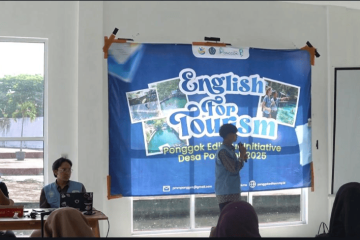
The Ponggok EdiTour Initiative (PETI) is a collaborative program initiated by students of Universitas Muhammadiyah Surakarta (UMS). This initiative combines two study programs: English Education and Informatics Education. The main objective of PETI is to support tourism development in Ponggok through educational, cultural, and technological approaches. By doing so, PETI not only contributes to the promotion of local tourism but also strengthens the role of students in real community service.
Among several work programs under PETI, one important project was the signage program. This project was specifically designed to improve accessibility, safety, and visitor experience at three major spring attractions in Ponggok: Umbul Besuki, Umbul Ponggok, and Umbul Sigedang Kapilaler. The presence of proper signage was considered essential in creating a more organized and visitor-friendly environment.
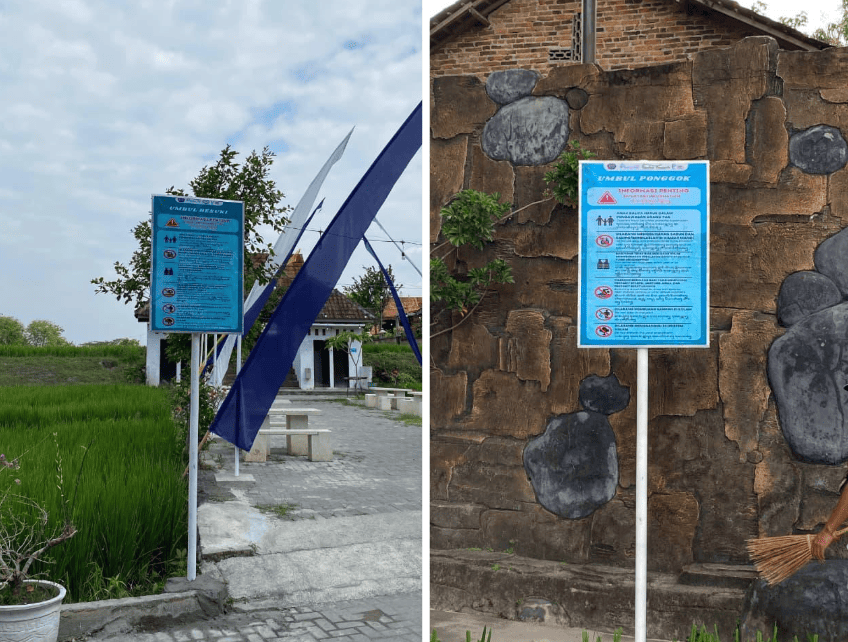
The types of signage produced included information boards, warning signs, and direction signs. To ensure inclusivity and cultural richness, all signage was designed in three languages: Javanese, Indonesian, and English. Javanese was selected to preserve and promote the local culture, Indonesian was used to serve domestic tourists, and English was provided to help international visitors. This trilingual approach became one of the main values that made the program stand out.
The process of implementation consisted of several stages. First, the team mapped strategic locations where signage would be most effective, such as entrances, swimming areas, changing rooms, prayer rooms, and parking spaces. Afterward, the students worked on designing the signage with attention to clarity, durability, and visual harmony with the natural environment. Once the designs were finalized, the boards were produced and finally installed on site.
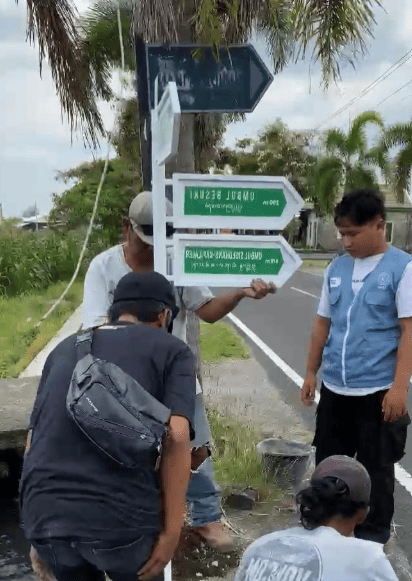
Figure 1. Direction Signage at Umbul Besuki
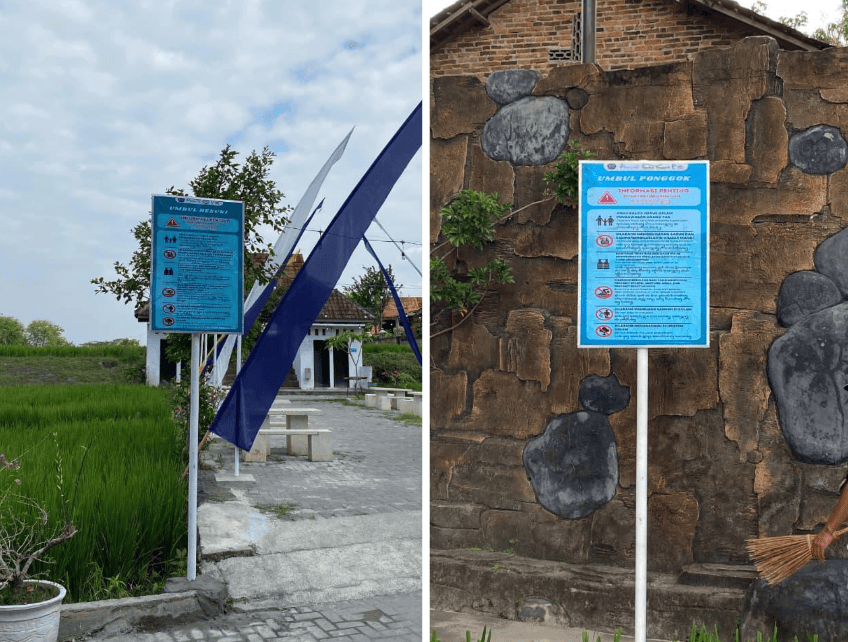
Figure 2.Information Board at Umbul Ponggok
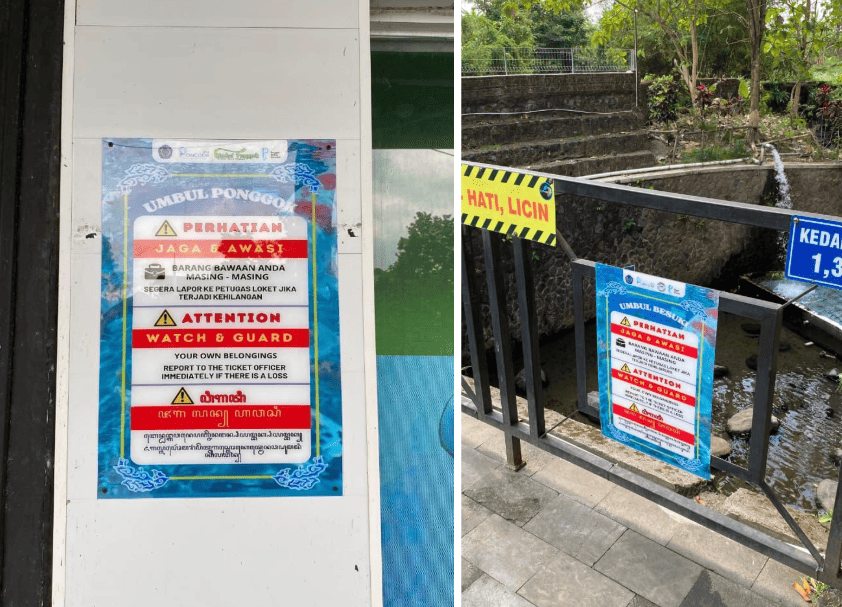
Figure 3. Warning Sign at Umbul Sigedang Kapilaler
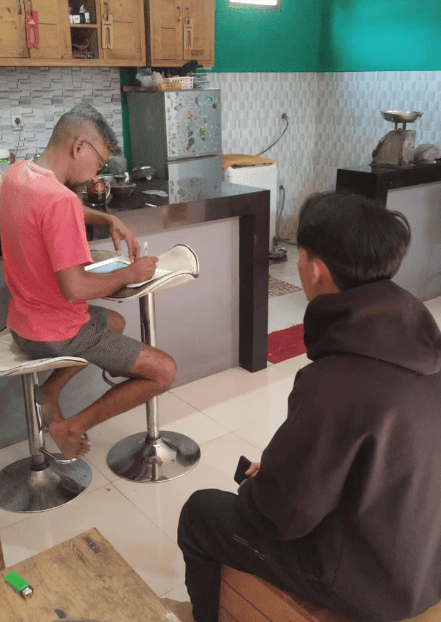
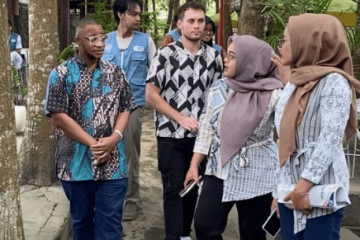
Figure 4. Coordination with the Signage Maker
The outcome of the program was highly positive. Visitors reported that it became easier to move around the sites with the help of direction signs. Warning signs were effective in raising safety awareness, and information boards served as a reliable reference for regulations and announcements. The trilingual format also created a welcoming atmosphere for diverse groups of visitors, whether local, domestic, or international.
Although minor challenges appeared, such as limited resources for design variations, the signage project was successfully implemented. More importantly, the program reflected the strong collaboration between students of English Education and Informatics Education at UMS. Through this effort, PETI not only improved the service quality at Ponggok’s tourist attractions but also demonstrated how academic knowledge could directly contribute to local tourism development.